

Explore Dubai Real Estate property market boom with insights on Damac, sobha. Uncover if current conditions signal a golden investment window.
Table of Contents
The Dubai Property Play: Why Smart Money Is Moving Now
Key Insights at a Glance
- Current Market Pulse: Dubai’s real estate is experiencing unprecedented transaction volumes and price growth, driven by population influx and economic diversification.
- Developer Dominance: Master developers like Emaar, Sobha, Meeras, Damac, and Binghatti are shaping the skyline with distinct offerings, from luxury waterfronts to affordable family communities.
- The Right Time: While prices have risen, several macroeconomic factors suggest sustained growth rather than a peak, making now a strategic entry point for long-term investors.
- Crucial Distinction: Success depends less on “if” and more on “where” and “what” you buy.
Introduction
Is Dubai real estate still a lucrative bet, or have the best days passed? The simple answer is yes, now is a compelling time to invest, but not for the reasons most people think. While headlines scream about record prices, the real opportunity lies in the city’s fundamental transformation. Here is why: Dubai is no longer just a luxury playground; it is becoming a global hub for talent, technology, and long-term residency. This structural shift creates a demand floor that is more stable than the speculative booms of the past. The best part? The current market offers distinct opportunities across various price points and developer portfolios. Let’s break down exactly what this means for your investment strategy.
The Current Market Landscape
Dubai’s property sector is on a trajectory fueled by government initiatives and a booming economy. The city’s GDP growth and proactive policies have created a robust environment for real estate.
Population Growth as the Primary Driver
The most significant factor underpinning demand is the city’s surging population. Hundreds of thousands of new professionals and entrepreneurs are relocating here each year. This is not a transient trend; it is a permanent shift. The best part? These new residents need homes. They need apartments, townhouses, and villas. This creates a massive, organic demand that absorbs new supply naturally, preventing the classic boom-bust cycle.
Economic Diversification Beyond Oil
Dubai has masterfully diversified its economy. It is a global leader in tourism, aviation, logistics, and finance. This is crucial because a diversified economy is a resilient one. When a city is not dependent on a single commodity, its property market is less volatile. This diversification acts as a safety net for investors, making the market less susceptible to external shocks. Look: other regional markets are heavily tied to energy prices. Dubai is not, making it a unique and safer bet.
The Golden Visa Impact
The introduction of long-term Golden Visas for investors, entrepreneurs, and skilled professionals has been a game-changer. This policy shift encourages people to put down roots, buy homes, and plan for the long term. It transforms the market from a transient one into a stable, owner-occupied community. This is a powerful entity in the market’s ecosystem, adding a layer of security for property values.
Analyzing the Big Five Developers
Understanding the key players is essential. Each developer offers a unique value proposition and investment thesis. Here is a breakdown of the market leaders.
Sobha Group: The Quality Obsession
Sobha is renowned for its meticulous attention to detail. They are one of the few developers that handle the entire construction process, from raw materials to the final paint job. This backward integration ensures high-quality finishes and fewer handover delays. Their communities, such as Sobha Hartland, are designed for holistic living. Investors buy into a promise of luxury and durability. The potential for capital appreciation is often higher for these premium projects, though the entry ticket is also significant.
Emaar Properties: The Blue-Chip Giant
Emaar is the undisputed king of Dubai’s real estate. Its name is synonymous with iconic projects like the Burj Khalifa and Dubai Mall. Investing in Emaar is often seen as investing in the city itself. They are masters of creating integrated, master-planned communities like Dubai Hills Estate and Arabian Ranches. These projects hold their value exceptionally well due to their prime locations, extensive amenities, and strong brand equity. For many, Emaar is the safest and most reliable choice.
Damac Properties: The Luxury Icon
Damac is famous for its bold, opulent designs. They have carved a niche for high-end luxury, often collaborating with fashion and lifestyle brands like Versace and Roberto Cavalli. Their projects, such as Damac Hills, offer resort-style living. Investors looking for high-end rentals or properties with a distinct flair often gravitate towards Damac. Their properties in prime locations can command premium rental yields.
Binghatti Holding: The Architecture Innovator
Binghatti has emerged as a distinctive force, known for its modern architectural style and innovative use of space. They are active across various segments, from affordable housing to ultra-luxury. Their unique designs, often featuring geometric patterns and distinctive facades, make their properties stand out. This brand differentiation can be a powerful tool for investors seeking to attract tenants looking for something beyond the standard.
Meeras: The Emerging Powerhouse
Meeras is a relatively new but formidable entity. Backed by significant government investment, they are developing massive, iconic projects across the city. Their focus is on creating “city within a city” concepts that blend living, working, and leisure. Meeras is shaping the future of entire districts in Dubai, making their developments some of the most exciting long-term plays in the market.
Comparison Table: Developer Investment Profiles
| Feature | Emaar (Blue-Chip) | Sobha (Quality) | Damac (Luxury) | Binghatti (Innovation) | Meeras (Emerging) |
|---|---|---|---|---|---|
| Risk Profile | Low | Medium-Low | Medium | Medium | Medium-High |
| Capital Appreciation | Steady & Reliable | High | High (In Prime Areas) | Moderate to High | High (Long-Term) |
| Rental Yield | Good | Good | High (For Luxury Rentals) | Very Good | Potentially High |
| Target Market | Families, Professionals | Families, Quality Seekers | High-Net-Worth Individuals | Young Professionals, Investors | Future Residents |
| Brand Equity | The Gold Standard | Premium Quality | Luxury & Flair | Distinct Design | The Future of Dubai |
Off-Plan vs. Ready Property: The Strategic Debate
This is where many investors get stuck. Should you buy a ready property or go for an off-plan project? The answer depends entirely on your investment horizon and risk appetite.
The Case for Ready Property
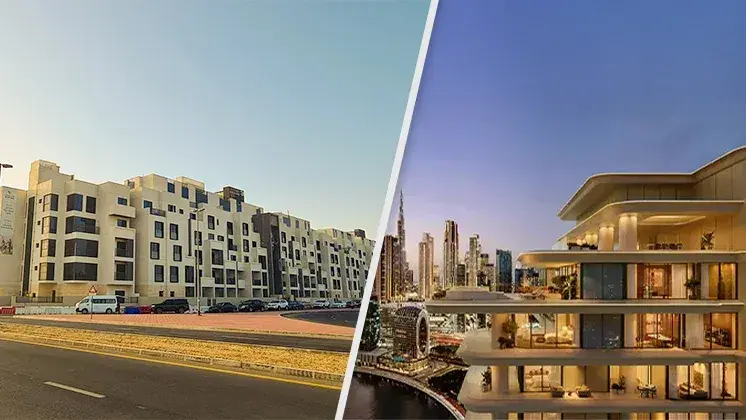
Ready properties offer immediate rental income. You can see the product before you buy. There is no construction risk. The best part? You can start generating cash flow from day one. This is the classic “safe bet” for investors who want tangible assets and immediate returns. However, the entry cost is higher, and the capital appreciation is often slower in the short term.
The Case for Off-Plan Properties
Off-plan properties are purchased directly from developers like Emaar, Sobha, Damac, Binghatti, and Meeras before they are built. The primary advantage is the price. You are locking in today’s prices for a property that will be worth more upon completion. There are also attractive payment plans, often spread over several years with no interest. The catch? You must wait for your property to be built. There is a risk of delays, and the market could shift during the construction period.
Expert Tip: Look for off-plan projects from tier-one developers. Emaar and Sobha have a track record of delivering on time and to specification, mitigating much of the risk associated with off-plan buying.
Common Pitfalls and How to Avoid Them
Many investors, especially new ones, make critical errors. Here is how to navigate the pitfalls.
Ignoring the Service Charge
The service charge is the annual fee you pay for the upkeep of the building and common areas. These can vary wildly depending on the community. A lower purchase price in an area with a high service charge might actually be a poor investment over the long term. The best part? Savvy investors factor this into their calculations from the start.
The “Hype” Trap
Every developer has a marketing machine. It is easy to get caught up in the glitz and glamour of a launch event. But the smart investor looks past the hype. They analyze the micro-market, the supply in the pipeline, and the demographic demand. They ask: “Who is going to rent this property in five years?”.
Neglecting the Exit Strategy
Always know your exit. Are you buying for capital appreciation to sell after handover? Or are you buying for long-term rental yield? Your strategy dictates your property choice. A property that is perfect for a young professional might not be the best for a family seeking a long-term home.
The Verdict: Is It the Right Time?
So, after all this analysis, what is the answer? Yes, but with a strong caveat. The market is not a monolith. There are properties and communities that are overvalued, and there are those that are significantly undervalued.
The current cycle is fundamentally different from the past. It is driven by real people needing real homes, not by speculators flipping contracts. The Golden Visa, the economic boom, and the quality of life are creating a permanent demand.
Contrarian View: While some analysts warn of a bubble, the data does not support a crash. The supply-demand dynamic is balanced. New launches from major players like Emaar and Meeras are being absorbed quickly. The pricing of luxury properties from Damac remains robust. Binghatti’s innovative mid-tier projects are also selling fast. This is a sign of a healthy, active market.
The real risk is not buying; it is buying the wrong thing. Focus on quality, location, and developer reputation. If you stick to these principles, Dubai real estate remains one of the most exciting investment opportunities in the world.
Frequently Asked Questions
Is it better to buy a villa or an apartment in Dubai?
The choice depends on your investment goals. Villas typically offer higher capital appreciation, especially in master-planned communities. Apartments often provide higher rental yields, particularly in prime locations near business hubs. The demand for both segments is robust.
How does the Dubai real estate market compare to London or New York?
Dubai offers a significantly higher rental yield and lower transaction costs. Unlike London or New York, Dubai has no property tax. This makes the net return on investment (ROI) far more attractive for investors.
What is the average rental yield in Dubai?
The average rental yield in Dubai is between five and nine percent. This is considerably higher than most global cities, which makes it a magnet for yield-seeking investors.
Are foreign investors allowed to buy property in Dubai?
Yes, foreign investors can buy property in designated “freehold” areas. These areas are open to non-UAE nationals, allowing them to own property outright. This is a key reason Dubai is a global investment hub.
How do I secure financing for a property purchase?
UAE banks offer mortgages to both residents and non-residents. For off-plan properties, developers offer attractive payment plans. For ready properties, a typical bank loan covers up to seventy-five or eighty percent of the property value.
Final Thoughts and Your Next Step
The decision to invest in Dubai real estate is more than a financial transaction; it is a stake in a city that refuses to stand still. The landscape crafted by Emaar, the precision of Sobha, the flair of Damac, the innovation of Binghatti, and the futuristic vision of Meeras provide a rich tapestry of options. The city has matured into a safe, regulated, and lucrative market. The time to act is now, not out of fear of missing out, but because the fundamentals have never been stronger.
Your journey starts with research, but it must end with decisive action. The market waits for no one. Property values in prime locations are climbing, and the best units in new launches are selling out fast.
Here is your next step: Contact a trusted, independent property advisor today. Tell them your budget and your goals. Ask for their portfolio of investment-grade properties. Do not just watch from the sidelines. The city is being built, and the smart investors are building their futures alongside it. Your turn has come. Claim your piece of Dubai.



Join The Discussion